
Project at a glance
- Location
- Brisbane, Queensland
- Load
- Workshop machinery, including items over one tonne
- Lifting equipment
- Forklifts in the 4.5–7-tonne range
- Transport
- Flatbed trucks
- Destination
- Container loading for JB storage
- Preparation
- Weight assessment, decommissioning and planned access
A factory move from the workshop floor to JB storage
This Brisbane factory relocation brought together heavy machinery handling, commercial transport and container storage. The scope included workshop machines weighing over one tonne, assessed individually before lifting. JB used forklifts in the 4.5–7-tonne range and flatbed trucks, with equipment loaded into containers for storage with JB.
The work involved more than collecting a machine from a loading dock. Equipment first had to be prepared in its operating position, moved through the factory and taken outside for loading. Several people were involved in assessing the loads and coordinating the move. The factory route, vehicle movements and storage destination all formed part of the same job.
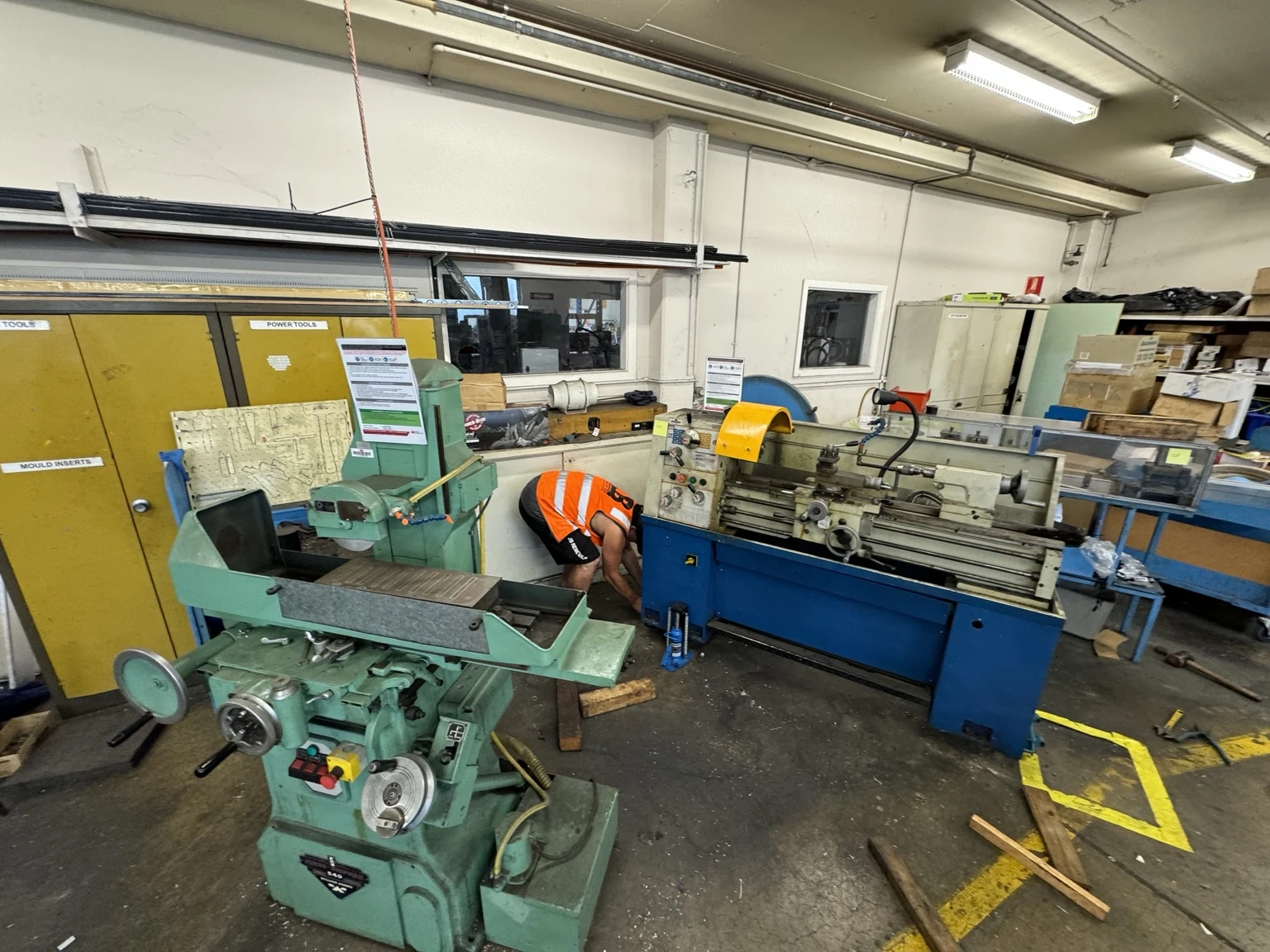
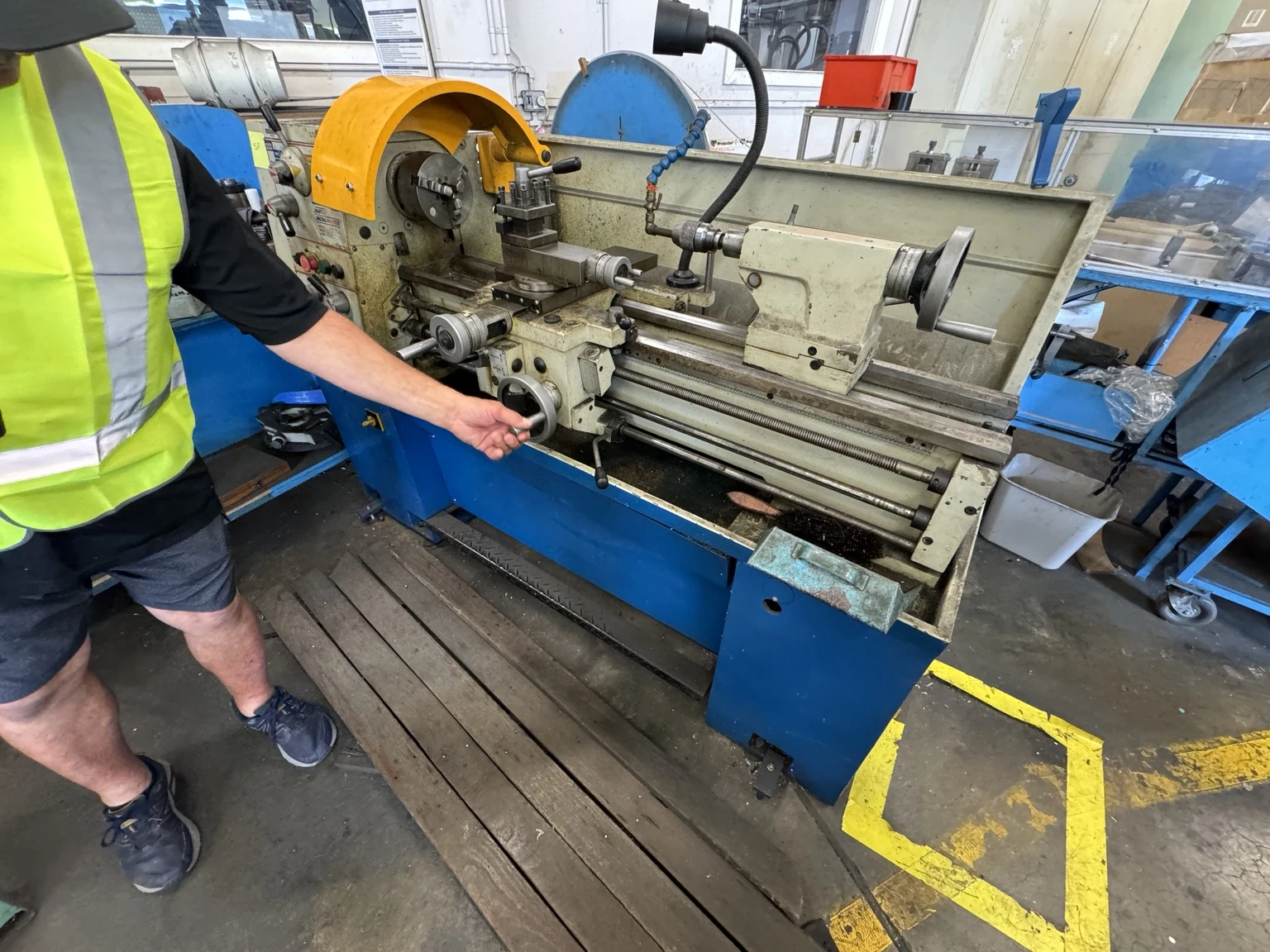
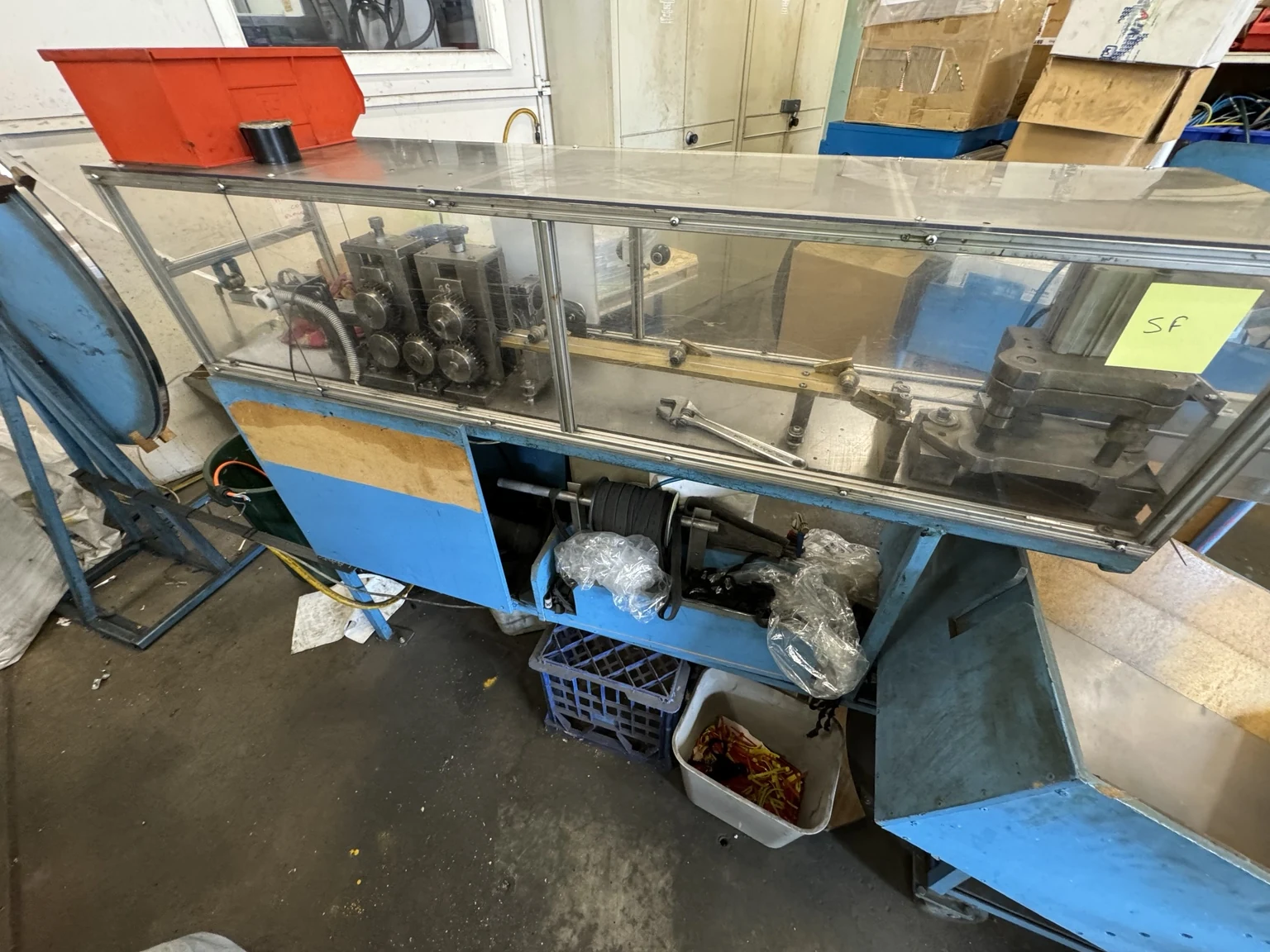
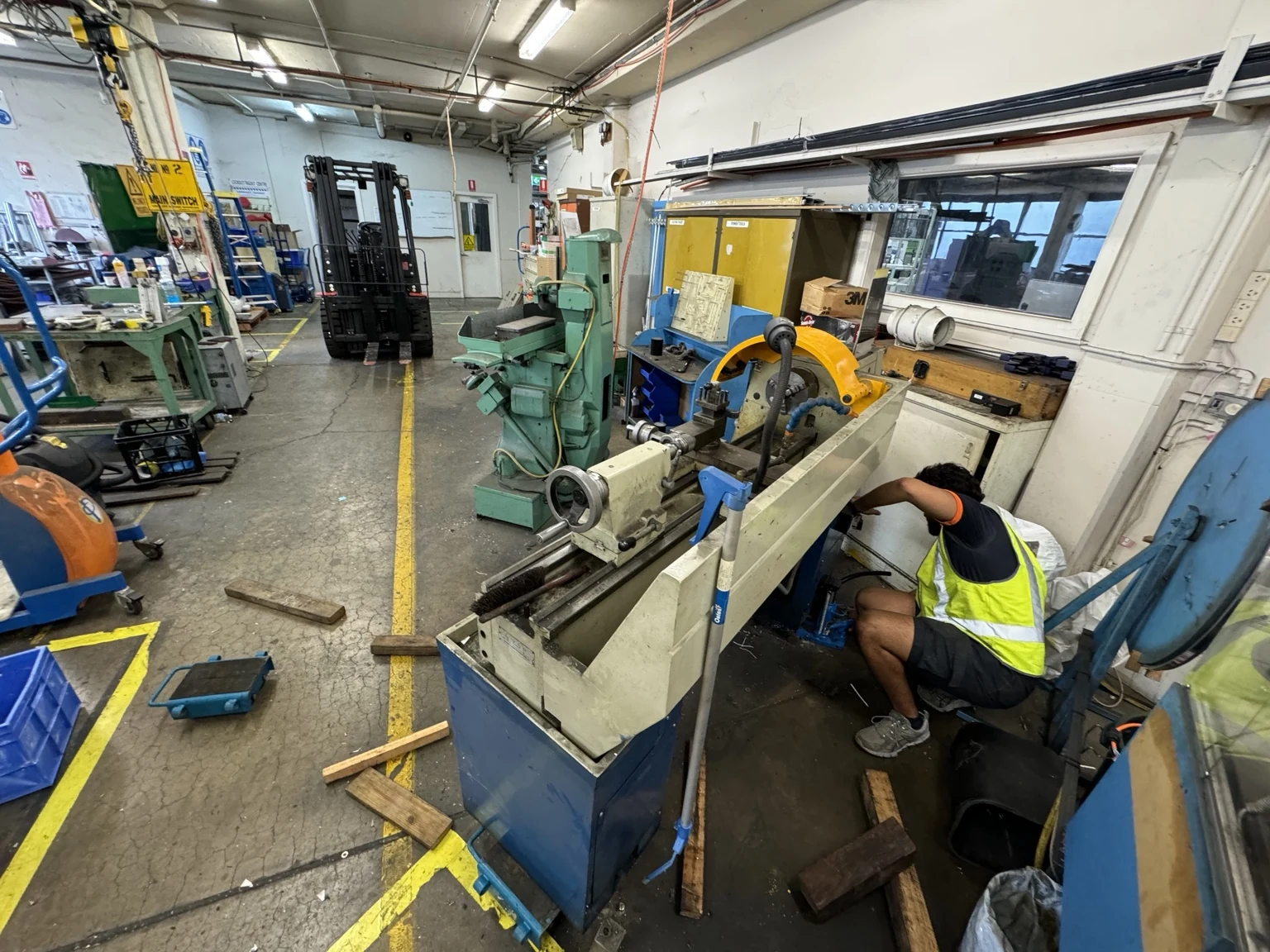
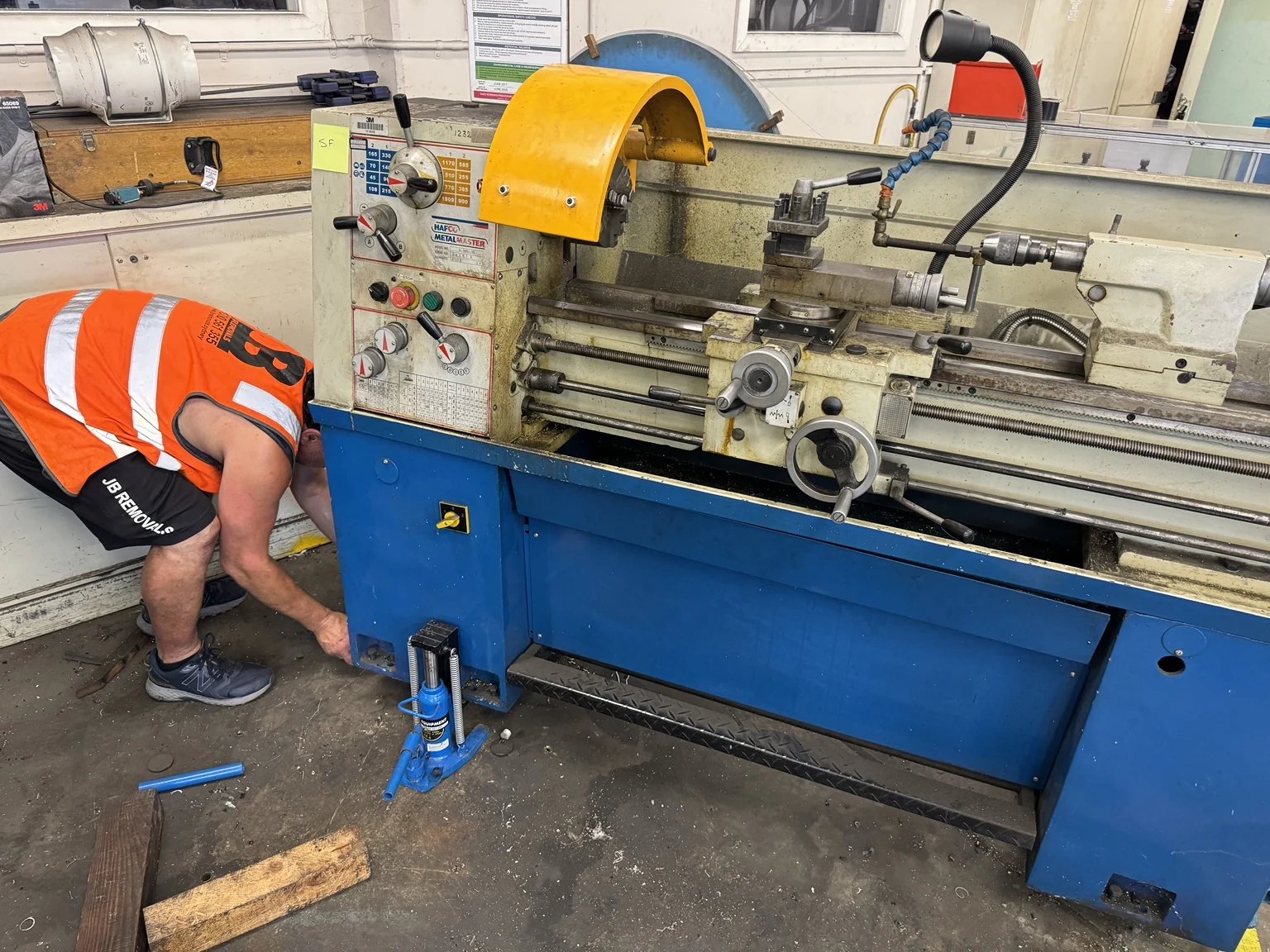
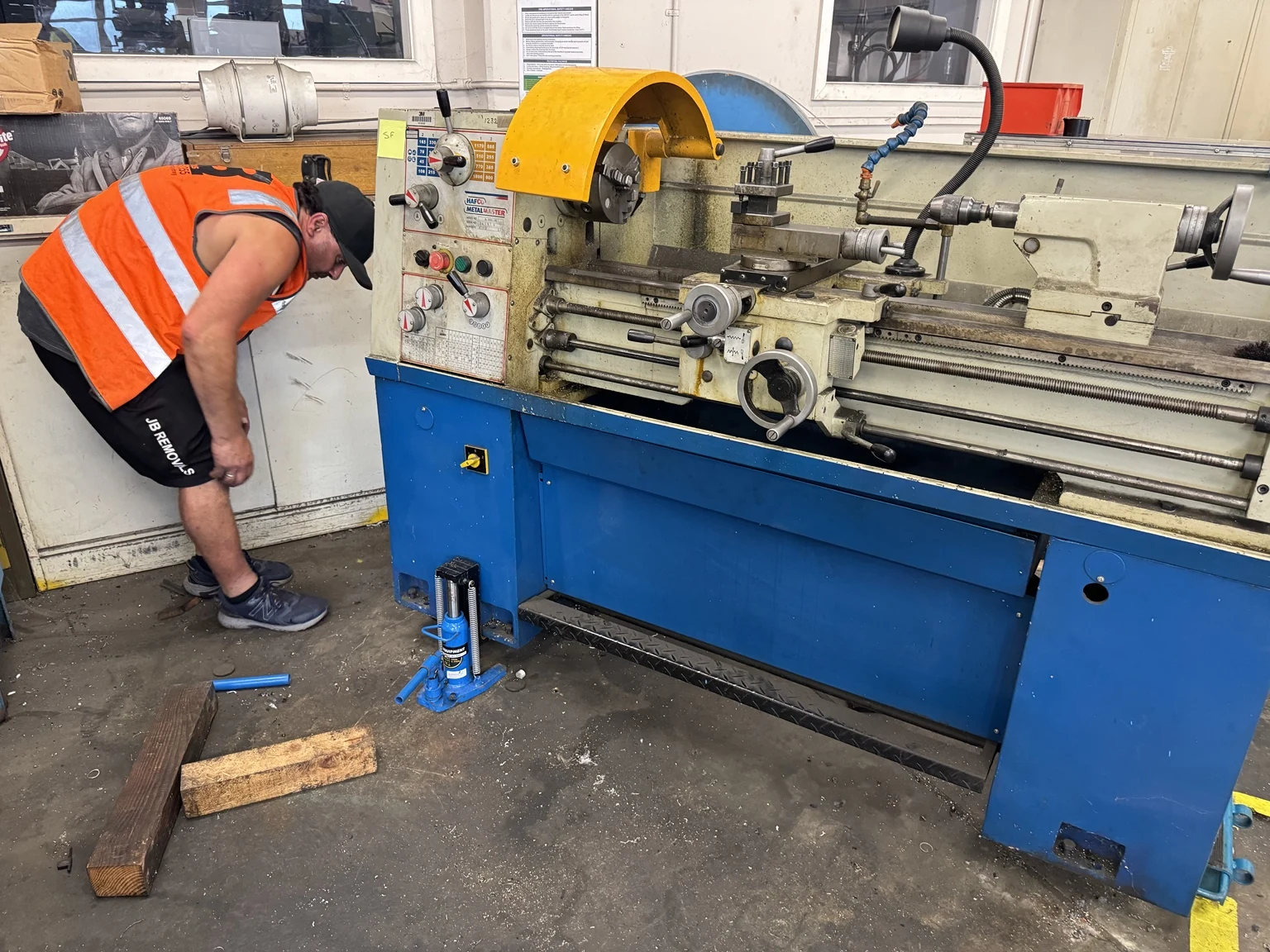
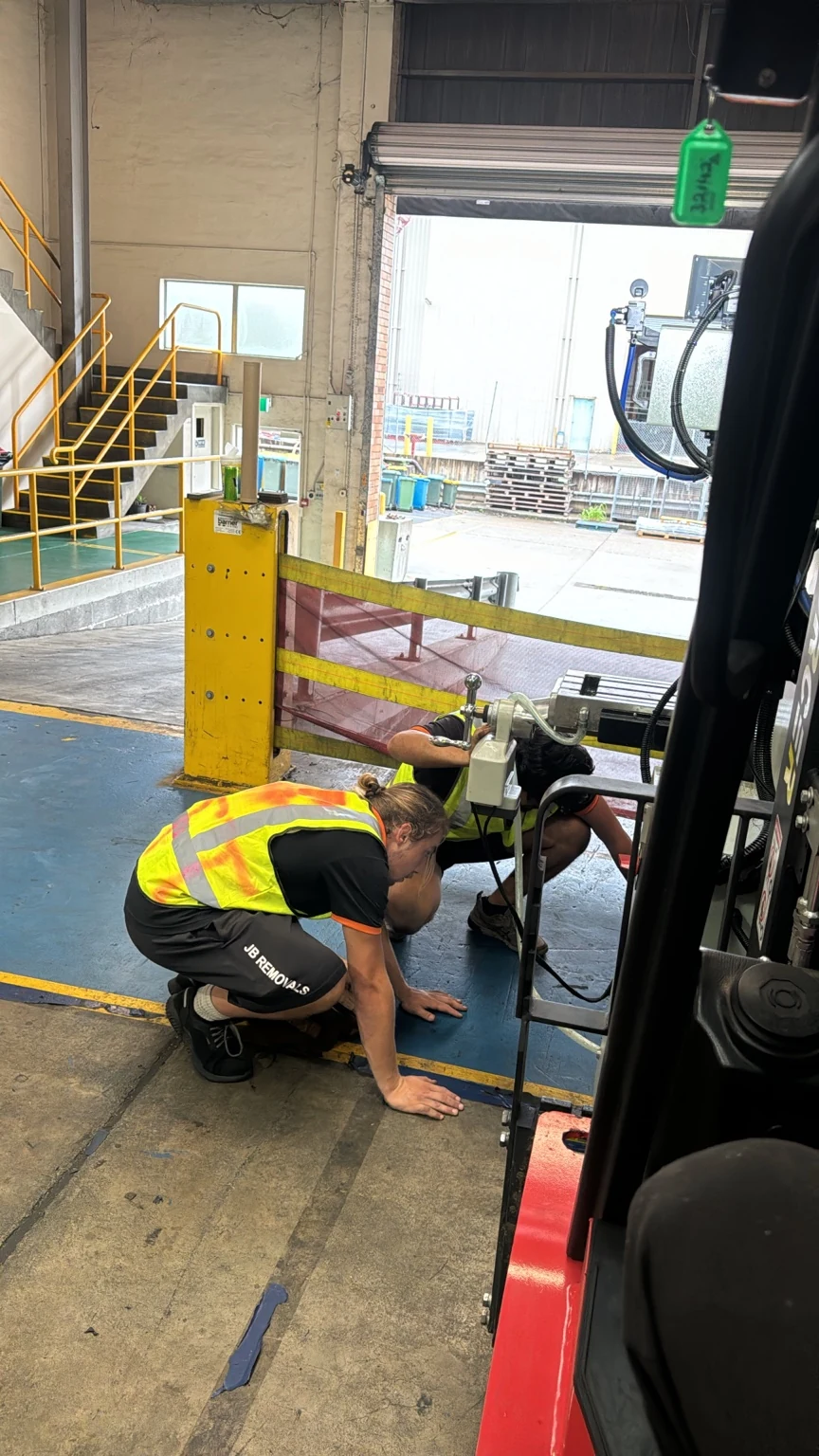
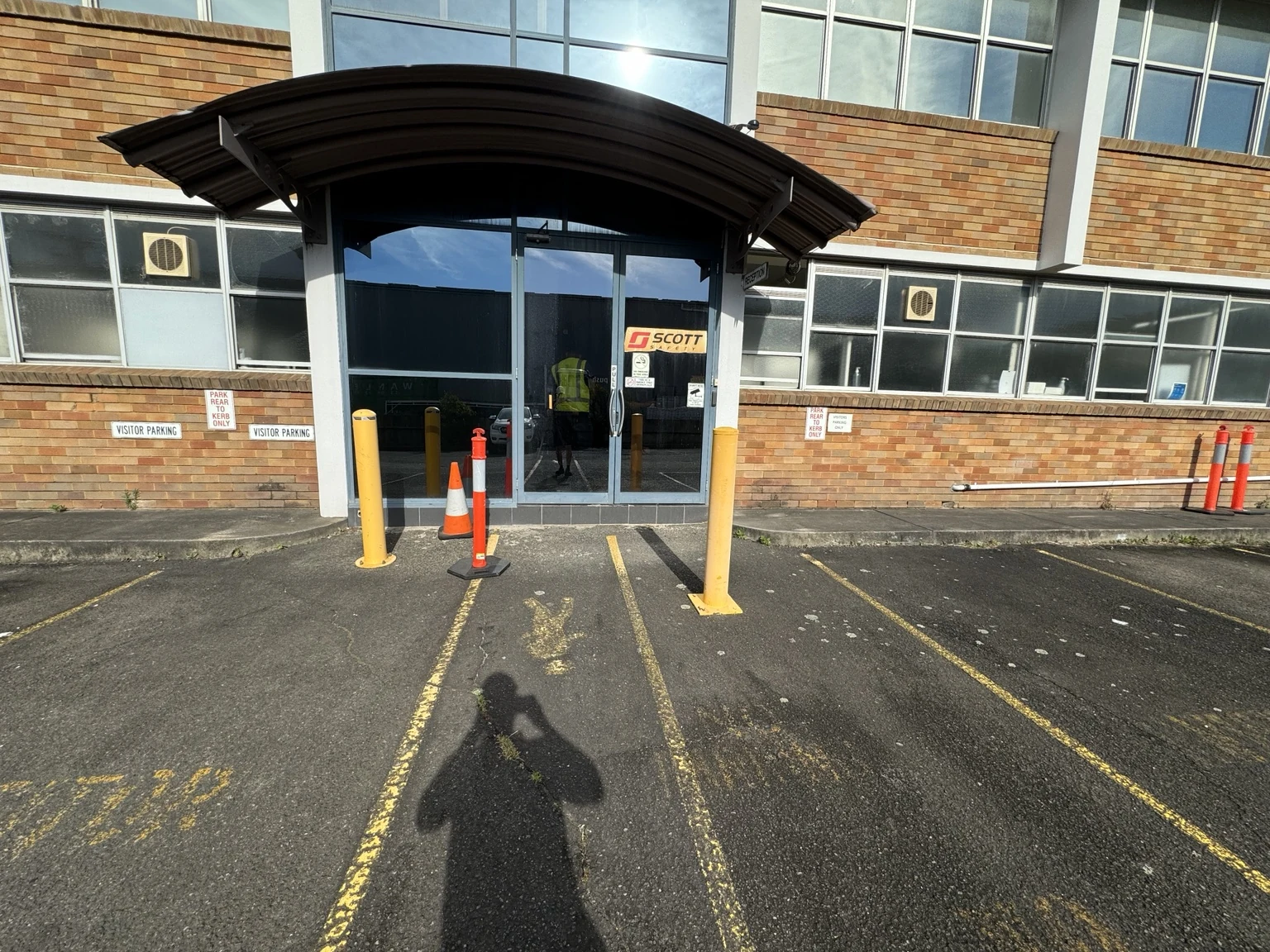
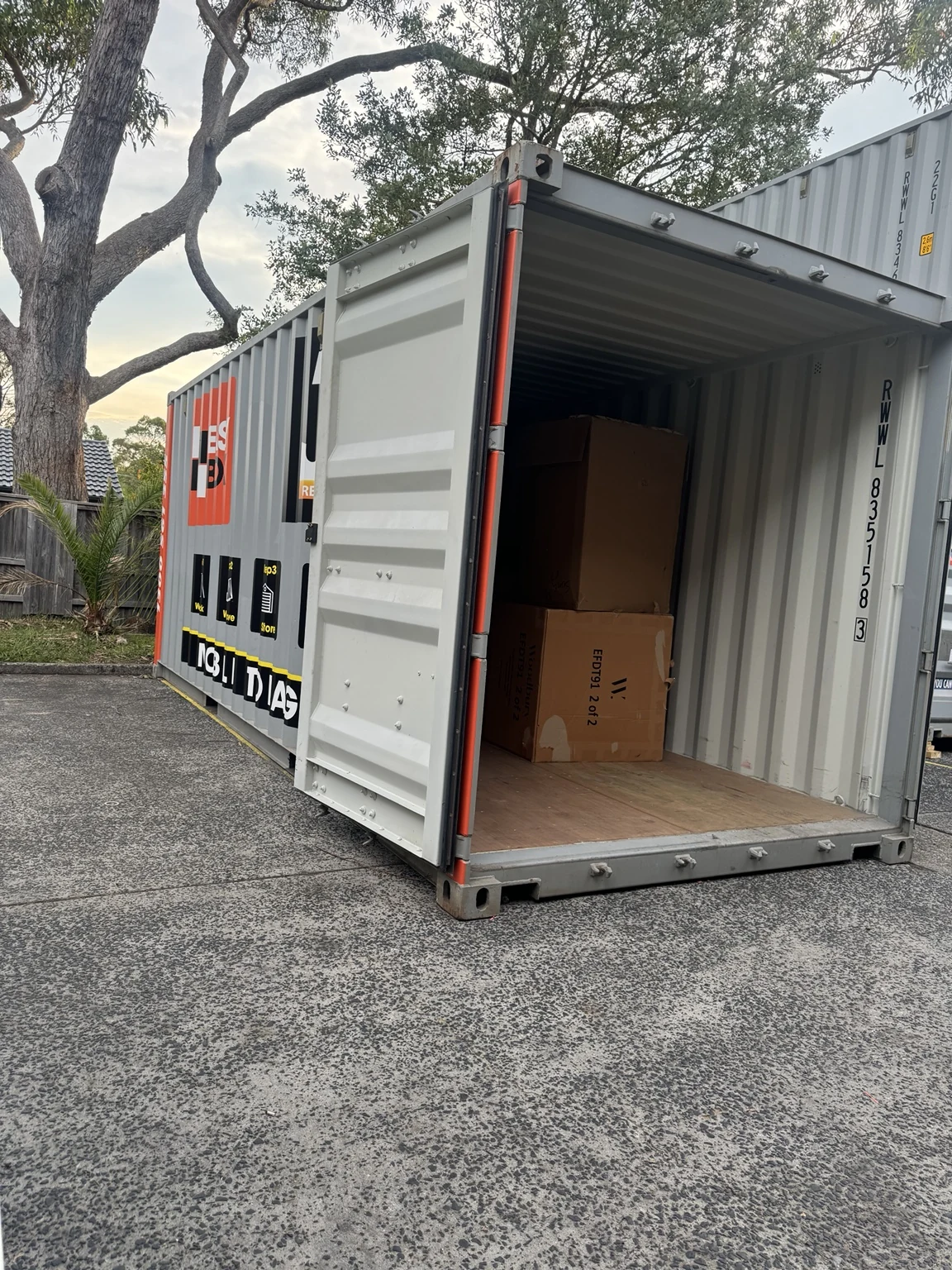
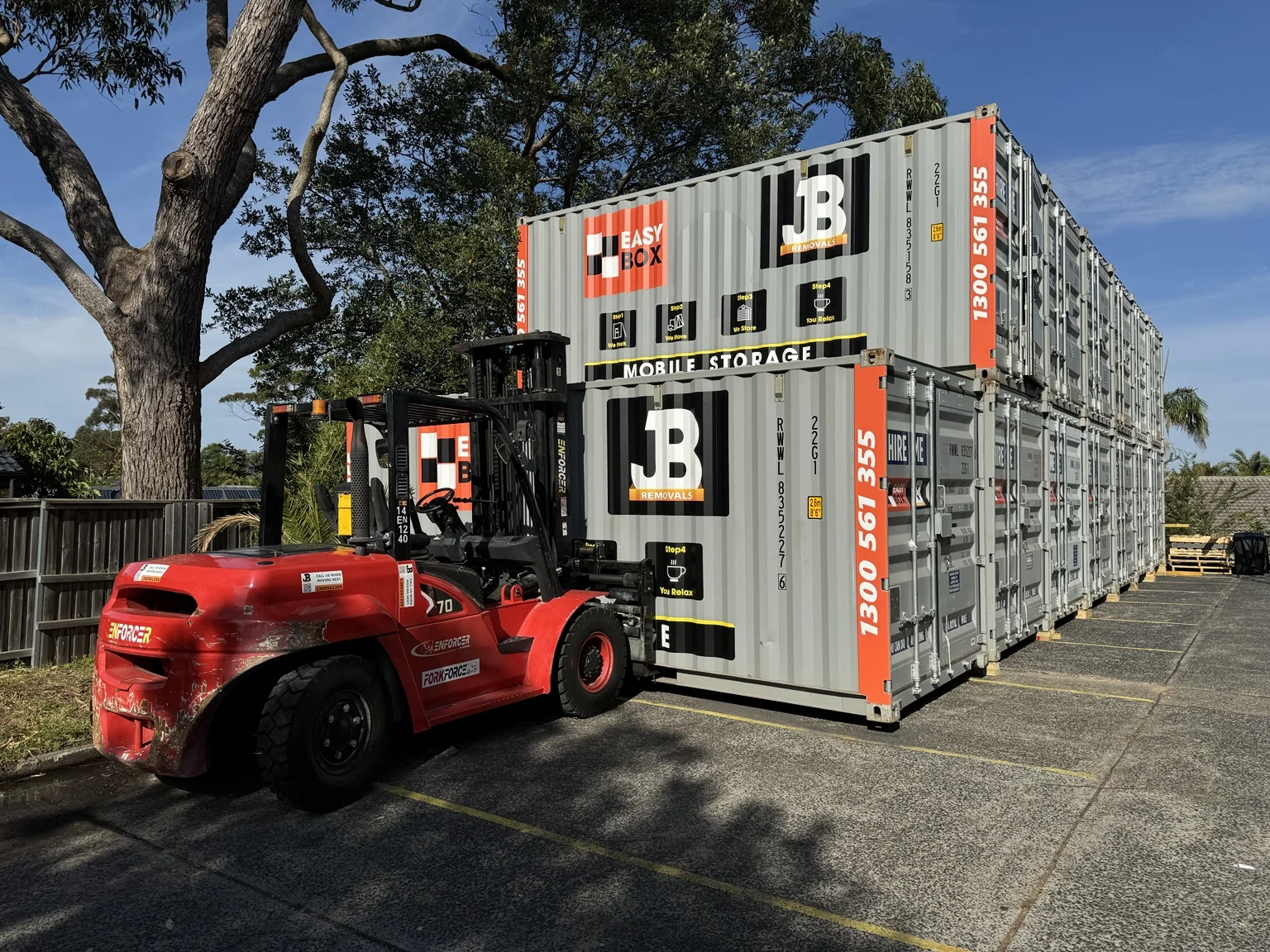
The original photographs show lathes, other workshop machinery, preparation around the machine bases, the factory entrance and JB’s container storage area. They give a practical view of the setting behind this business relocation.
Assessing heavy items over one tonne before lifting
Each machine needed its own weight assessment before the lifting stage. A factory floor can contain machines that look similar in size but place very different demands on the equipment moving them. The weight of one item cannot stand in for the next machine’s load information.
For another machinery relocation, useful starting information includes the manufacturer, model, available weight records, overall dimensions and any manufacturer-provided handling guidance. Machine bases, projecting tables and attached components also affect the handling brief. Where the information is incomplete, further assessment is needed before equipment is selected.
This project included items over one tonne. The forklift sizes describe the equipment used on the job; they are not a statement that an individual machine weighed seven tonnes. No exact weight is assigned to a particular machine in the photo gallery.
Decommissioning, disconnected services and oil-leak checks
Machine preparation was part of this factory move. Before relocation, the work included decommissioning the machines, checking that cables and services were disconnected, and checking for oil leaks. These preparations mattered both on the factory floor and during the later transport and storage stages.
For a new project, the preparation scope should identify who is responsible for each technical task. Electrical disconnection, stored-energy controls and specialist machine work need to be allocated to appropriately qualified or competent people. The moving crew needs confirmation that the equipment is ready to handle before the lifting stage begins.
Owners should also identify oils, coolants and other fluids, any known leaks, loose components and manufacturer instructions relevant to transport or storage. This makes it possible to agree what needs attention before collection. Reconnection and recommissioning at a future destination are separate tasks to include in the scope when required.
Planning the machine pathway through aisles and doorways
JB planned the movement pathway from each machine’s position through the factory and doorways to the exterior loading area. The route connected the starting position, internal handling space and the place where the trucks and lifting equipment could operate.
A heavy machine needs room for the handling equipment as well as the machine itself. For a factory relocation enquiry, photographs should show the entire route, including narrow turns, door openings, thresholds, changes in level and the approach outside. A close-up of the machine alone leaves important access questions unanswered.
Floor condition and any known load limits also belong in the site brief. Temporary coverings can protect a surface finish, but they do not establish the structural capacity of a floor or doorway threshold. Any uncertain loading limits need to be resolved for the particular site before the handling plan is agreed.
Forklift handling with 4.5–7-tonne equipment
Forklifts in the 4.5–7-tonne range formed part of the lifting equipment used on this job. Their role sat within the broader plan for moving heavy workshop machinery out of the building and into the transport and storage stages.
Forklift selection depends on the actual load and operating configuration. The relevant capacity plate, load centre and any attachment effects need to be considered; a nominal forklift size alone does not establish the capacity available for every lift. This is why the assessment of each machine comes before equipment selection.
The working space also needs to accommodate the forklift and the people coordinating the move. For a new factory or warehouse relocation, tell JB about pedestrian activity, ongoing production and vehicle access so those interfaces can be discussed during planning.
Flatbed truck transport for commercial machinery
Flatbed trucks were used as part of the transport arrangements for this Brisbane commercial relocation. The loading stage connected the factory exit and forklift handling with the next destination in the move.
For machinery transport, the planning brief should cover the load dimensions, weights, vehicle access and the proposed loading and unloading arrangements. Load placement and restraint need to suit both the equipment and the vehicle. The transport plan must account for the receiving end as well as the factory collection.
If your business has several machines to move, identify any collection priorities and the order in which equipment will be needed later. JB can assess these requirements with the transport and storage scope rather than treating every machine as an unrelated delivery.
Container loading and machinery storage with JB
The destination for the equipment in this project was JB storage, with machinery and equipment loaded into containers. This brought the factory relocation and the storage arrangements into one coordinated scope.
For another container-storage move, the assessment should address doorway clearance, internal dimensions, the equipment’s footprint and weight, container suitability and the available loading method. Load distribution and any restraint required for transport need their own consideration; a container’s external size does not by itself confirm that a particular machine can be loaded.
Storage planning should also identify the expected duration, any access needed during storage and how equipment will be retrieved for its next move. Machinery that needs corrosion protection, fluid preparation or other manufacturer-specific treatment should have those requirements identified before collection. The storage photos here show JB containers and the forklift in the yard; they do not show every machine loaded inside.
Factory relocations and wider business moves
This project shows how heavy item relocations fit within a wider business relocation. The scope combined machinery preparation, individual load assessment, internal access, forklift handling, flatbed transport and container loading for storage.
A business may need to clear a workshop before its next premises are ready, store selected machines during a refit, or move one heavy asset while the rest of the operation stays in place. Each situation needs a clear collection scope and receiving plan. The machinery list, preparation responsibilities and access information help JB assess the work.
For factory relocations in Brisbane, start with an inventory rather than an estimated number of truckloads. List the machines separately, identify items over one tonne, and note anything that needs technical preparation. That information supports a more useful discussion about crew, equipment, transport, storage and timing.
ORIGINAL JB PROJECT PHOTOGRAPHY
Ten photographs from the factory and storage stages
Open a photograph for the full view. The gallery shows the workshop, machinery preparation, external access and JB container storage.
Factory and heavy machinery relocation questions
Can JB move factory machinery weighing over one tonne?
This Brisbane project included machinery over one tonne, assessed individually before lifting. For your equipment, send the machine list, available weights, dimensions and access photographs so JB can assess the proposed move.
What lifting equipment was used on this factory relocation?
The confirmed equipment included forklifts in the 4.5–7-tonne range and flatbed trucks. The forklift range is not the weight of each machine or a guaranteed capacity for every lifting configuration.
Can you move machines from a factory into container storage?
Yes, this project included equipment loaded into containers for JB storage. A new enquiry needs assessment of the machines, container suitability, loading access and storage requirements before the scope is agreed.
Do machines need to be disconnected before collection?
Readiness for handling needs to be confirmed before lifting. This project included decommissioning, disconnected cables and services, and oil-leak checks. Agree who will carry out the required technical work, including any qualified trades, when planning your move.
How do you get heavy machinery through a factory doorway?
The route is assessed from the machine’s position through the aisles and openings to the loading area. Send measurements and photographs of the full pathway so JB can review the machine and handling-equipment clearance together.
How much does a factory relocation in Brisbane cost?
The quote depends on the machine inventory, assessed weights, preparation, access, crew, lifting equipment, transport and any storage. Share these details for a project assessment; the photographs alone do not establish a fixed price.
Can a business relocation be staged around production?
Tell JB which machines can be released first, when the site is available and any production or receiving deadlines. Staging and storage can then be discussed as part of the proposed scope, subject to assessment and availability.
What should I send for a heavy machinery relocation quote?
Send collection and destination details, a machine-by-machine inventory, weights and dimensions where available, preparation requirements and photographs of the entire route. Include container storage needs, preferred timing and the contact responsible for site readiness.
Plan your Brisbane factory relocation
Moving an entire workshop, arranging a commercial relocation or finding someone to move a machine over one tonne? Send JB your equipment list and photos of the route from the machine to the loading area. Include the destination, storage requirements and preferred dates.
We can review the scope, identify the information still needed and discuss the crew, equipment, transport and storage arrangements for your job.