Preparing a heavy load for movement
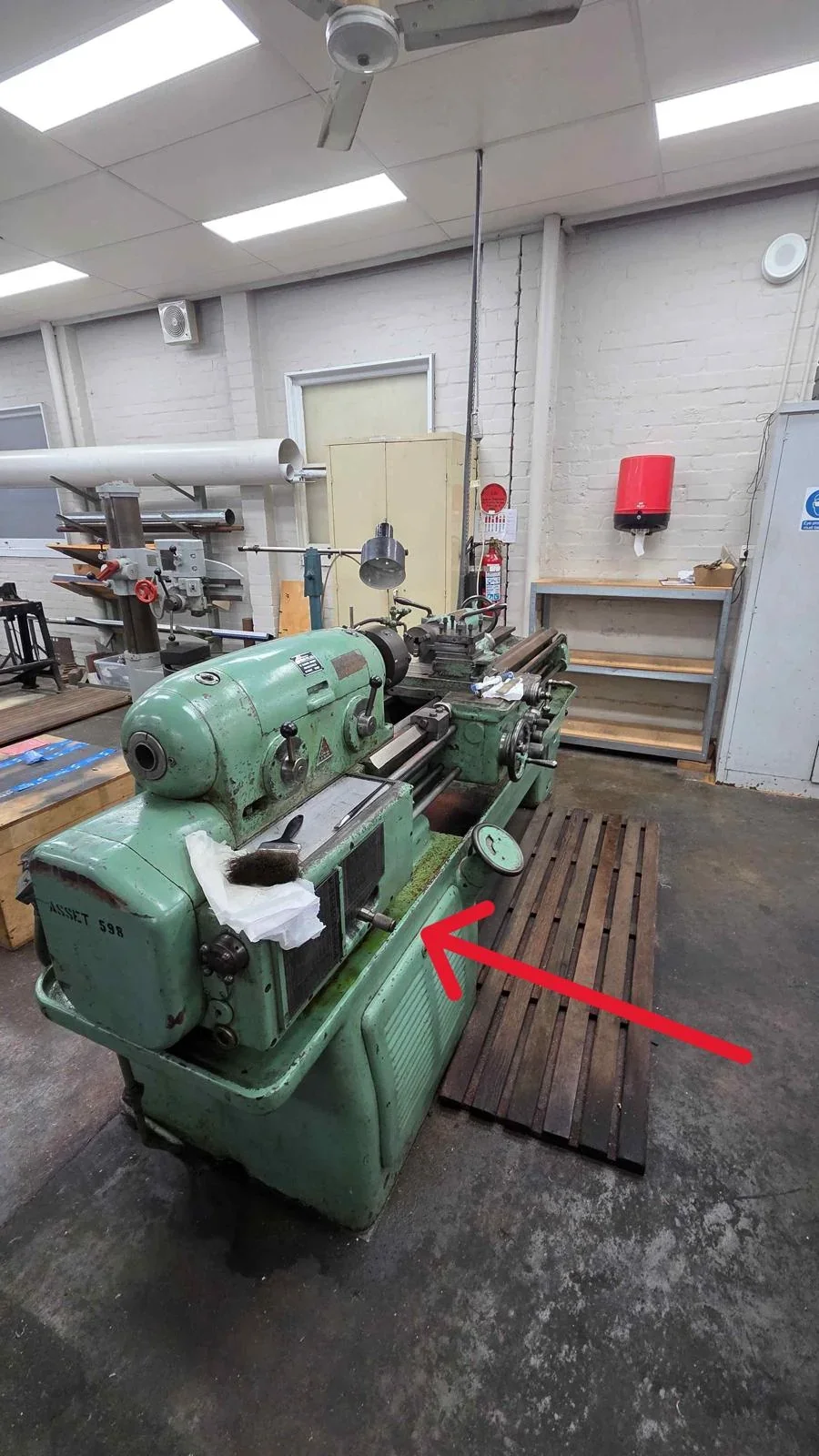
Some machines and heavy furnishings sit close to the floor, with limited space for moving equipment underneath. Jacking may form one stage of preparing the item for a supported transfer. The intended movement, load distribution and available support positions need to be understood before equipment is chosen.
Equipment within this category
Hydraulic jacks
Lifting and positioning stages with suitable support arrangements.
Toe jacks
Low-clearance lifting where the item and support points allow it.
Bottle jacks and trolley jacks
Task-specific lifting support selected for the load and working area.
Roller crowbars and machinery moving bars
Controlled preparation for placing suitable moving equipment beneath a load.
Dunnage, packing blocks and chocks
Support and restraint between lifting, shifting and transport stages.
Access details that shape the plan
Send photographs of the base, feet, underside and surrounding work area. Include manufacturer information about lifting or support points when available. Identify floor changes, restricted edges and the clearance required at the final position. Do not estimate a building’s capacity from the rating of a jack or trolley.
Connect the handling stages
Hydraulic jacks, toe jacks, moving bars, packing blocks and chocks serve different roles within a planned method. The project brief should connect temporary support with the next handling stage, then with transport and final positioning. Technical levelling, anchoring, calibration or commissioning should be identified separately if required.
See the equipment in real projects
These original Sydney case studies show relevant JB handling experience. Your equipment and route are assessed for the actual project.
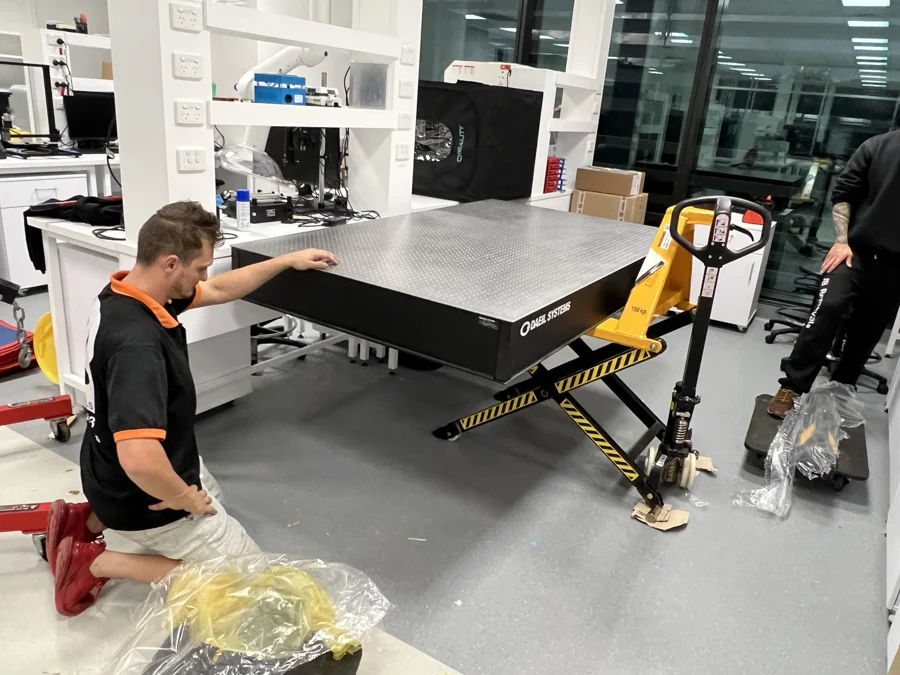
1-Tonne Optical Table Installation
A three-person JB crew installed a one-tonne optical table at the University of Sydney using a HIAB truck and specialist indoor lifting equipment, adjusted its pneumatic supports and removed the crate in a half-day job.
Read the original JB case study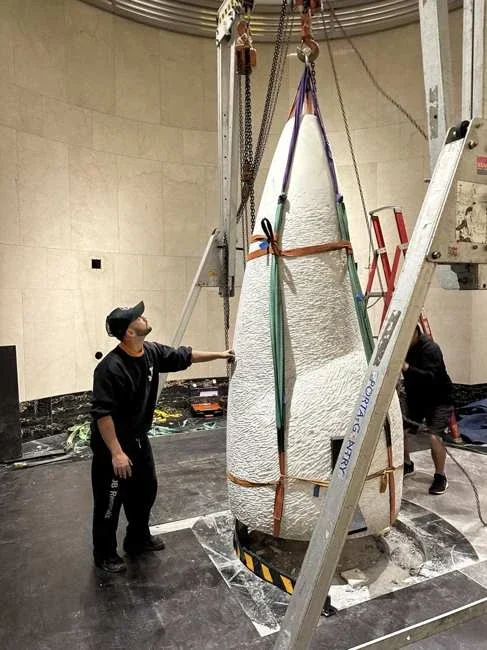
Sydney Commercial Heavy Lifting: Martin Place Marble Sculpture
A Sydney CBD commercial heavy lifting project: four-tonne and one-tonne marble sections, diamond-wire separation, specialist drilling, gantry handling and crating for Brisbane.
Read the original JB case studyPrepare your equipment enquiry
- Item type, known weight and overall dimensions
- Photographs of the base, supports and vulnerable surfaces
- Pickup and delivery addresses, plus the complete access routes
- Preferred timing, loading windows and site contacts
- The final position and any preparation or technical responsibilities
If a weight or dimension is unknown, say so in your enquiry. JB can identify the information needed before confirming the crew, equipment, transport and price.
Request an equipment assessmentEquipment questions
Can JB assess a machine with very little clearance underneath?
Yes. Supply photographs, dimensions, weight and any manufacturer lifting information. JB reviews the support points and working space before confirming whether suitable equipment or further inspection is needed.
Can the equipment be included with transport?
Yes. Request a complete move and include both sites. The agreed quote identifies the lifting, loading, transport, unloading and placement stages.
Is this a live equipment stock list?
This guide explains equipment capabilities. The selected equipment, service arrangement and availability are confirmed for your enquiry.
Find your city service
Related equipment
Powered Stair Climbers
Heavy appliances, stone, printers and machinery need a controlled route over stairs. JB assesses powered stair climbers, the supporting crew and the complete move together.
Explore equipment guideGantries, Hoists & Lifting Rigging
For suitable heavy loads, gantries, hoists and rigging connect lifting with supported movement. JB plans the load, lifting arrangement and receiving position as one project.
Explore equipment guideMachinery Skates & Pallet Jacks
Connect internal machinery movement with loading and placement. JB assesses machinery skates, rollers and pallet jacks for the load, supports and complete floor route.
Explore equipment guide